
Big corporations have deep pockets. They can invest in cutting-edge tech, hire top engineers, and dominate entire industries. Small businesses? They don’t have that luxury. But here’s the thing—automation is changing the game. With the right tools, even the smallest companies can run efficient, high-quality production lines. And that’s where PLC companies come in. They provide the tech that makes automation possible, helping businesses streamline processes without breaking the bank.
So, how can small businesses actually compete? Let’s talk about it.
The Power of Automation for Small Businesses
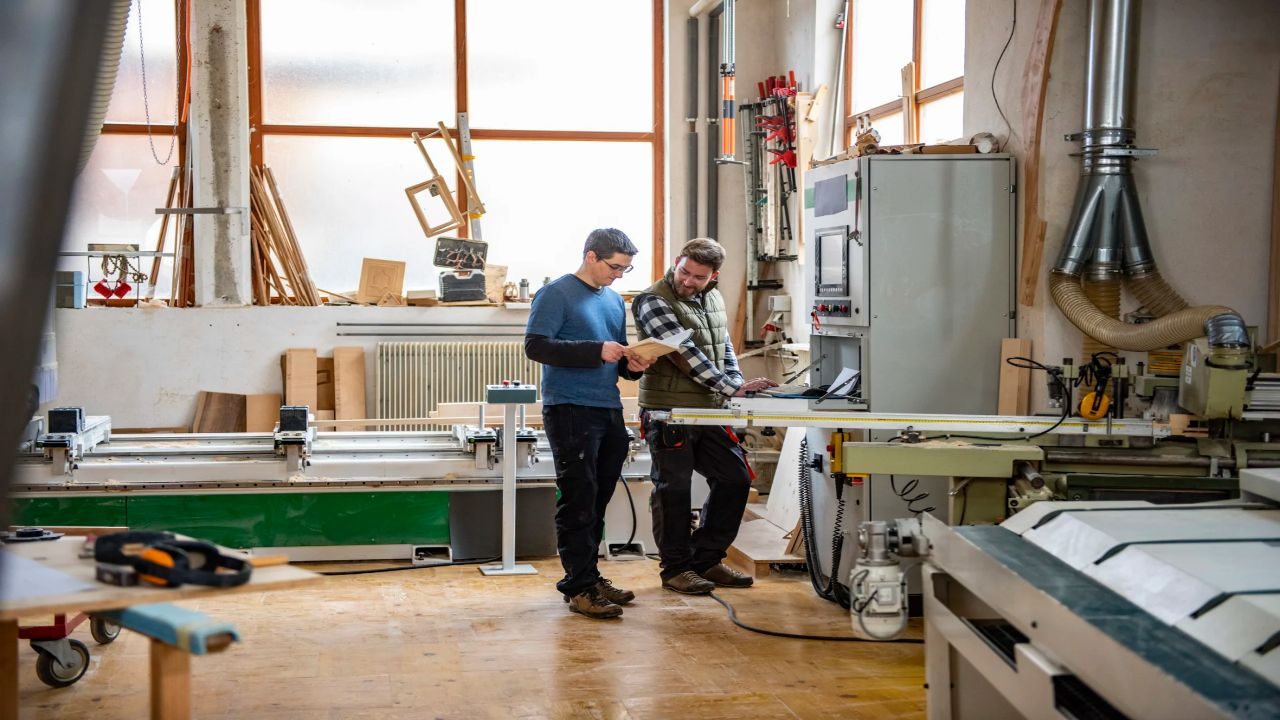
Imagine you’re running a small factory. Orders are piling up. Workers are stretched thin. Mistakes creep in. It’s frustrating.
Now, picture this: a production line that moves faster, delivers consistent quality, and requires less manual effort. That’s automation. It replaces tedious, repetitive tasks with machines that don’t get tired or distracted. The result? Higher output, lower costs, and fewer errors.
And it’s not just about robots. Automation includes software, sensors, and communication systems that keep everything running smoothly. It’s like having an invisible team working around the clock to keep your business efficient.
But Isn’t Automation Expensive?
This is the biggest myth. People think automation is only for billion-dollar companies with massive factories. Not true. Thanks to advancements in industrial tech, even small businesses can afford automation tools.
Think of it like buying a good coffee machine. Sure, it’s an investment. But over time, it saves money, improves quality, and speeds things up. That’s what automation does. It might cost upfront, but the long-term benefits far outweigh the initial expense.
Plus, modern automation is modular. That means you don’t have to overhaul everything at once. Start with one process—maybe packaging or quality control. See the results. Then expand. Step by step, your business becomes more efficient.
How to Compete with Industry Giants
Big companies move slowly. They have complex systems, corporate red tape, and layers of decision-making. Small businesses? They’re nimble. They can adapt quickly, test new ideas, and make changes without waiting for a boardroom meeting.
Automation gives small businesses a speed advantage. Need to change production? Adjust a few settings and go. Want to scale up? Add more automated units without doubling labor costs. Flexibility is where small businesses win.
And let’s talk about customization. Large corporations focus on mass production. Small businesses can offer something different—personalized, high-quality products. With automation, you can produce on demand, reduce waste, and still keep up with big competitors.
Real Stories: Small Businesses That Made It Work

A friend of mine runs a small furniture workshop. A few years ago, he struggled to keep up with orders. Handmade craftsmanship is great, but slow. So, he added an automated cutting machine. The result? He doubled his production speed without hiring extra staff. Now, he competes with bigger brands—while keeping his unique, handcrafted touch.
Another example: A local bakery started using automated mixing and portioning machines. They still bake with traditional recipes, but automation helps them maintain consistency. No more guessing measurements. No more wasted ingredients. Just perfect dough every time.
Where to Start?
If you’re new to automation, don’t jump in blindly. Start by identifying your biggest pain points. What slows down production? Where do mistakes happen most? Focus on fixing those areas first.
Talk to plc companies and automation experts. They can guide you on the right tools for your business size and budget. Remember, automation isn’t about replacing people—it’s about making work easier and more efficient.
The Bottom Line
Big companies might have resources, but small businesses have agility. Automation levels the playing field. It cuts costs, boosts efficiency, and helps you deliver top-notch products fast.
If you’re serious about competing with industry giants, it’s time to embrace automation. The future of manufacturing isn’t just for billion-dollar corporations—it’s for everyone.
And that includes you.