
Feeling burned out by noon? You’re not alone. More employees today are walking into office spaces that do more harm than good. Harsh lighting, noisy open layouts, dull colors—they all add up. But here’s the thing: smart office design can actually boost your mental health. And the best part? Many successful companies are already doing it.
From lighting to layout, even down to details like a Wi-Fi deadbolt that keeps private spaces truly private—everything in the modern workplace can shape how you feel. So if your office feels more like a stress zone than a support system, keep reading. You’ll find out what works, why it matters, and what your business can do right now.
The Mood–Design Connection

Think of your workspace like a second skin. It surrounds you all day. If that space feels cramped or chaotic, your brain picks up on it. It gets tired faster. It loses focus.
Design experts and psychologists agree—the way a space looks and feels has a direct impact on how we think. Natural light, fresh air, and soothing colors help regulate emotions. On the flip side? Dim rooms and constant noise can make anxiety worse.
It’s not just theory. Studies show that employees in well-designed offices report lower stress levels, better concentration, and higher job satisfaction.
And it all starts with the basics.
Lighting That Lifts, Not Drains

Fluorescent lighting has a bad rep—and for good reason. It flickers. It’s cold. And it can leave people feeling worn out before lunch.
Smart companies are switching to human-centric lighting. That means softer tones during the day and dimmer lights in the afternoon. It mimics natural sunlight, which helps regulate your body clock. Your brain gets the memo: stay alert now, relax later.
Glass walls and open windows also help. When people can see outside, they feel less boxed in. That alone can reduce anxiety.
Layouts That Make Sense
Open-plan offices were meant to spark collaboration. Instead, they often create chaos. People talk over each other. There’s no quiet space. And privacy? Gone.
That’s why leading companies are rethinking layout. Instead of rows of desks, they offer quiet nooks for deep work, meeting pods for quick chats, and comfy lounges for breaks.
Even something as simple as adding a lockable room with a Wi-Fi deadbolt can give teams the peace of mind they need. Knowing your gear—or your thoughts—are safe behind a smart, secure door? That’s a mental health win.
The Power of Nature
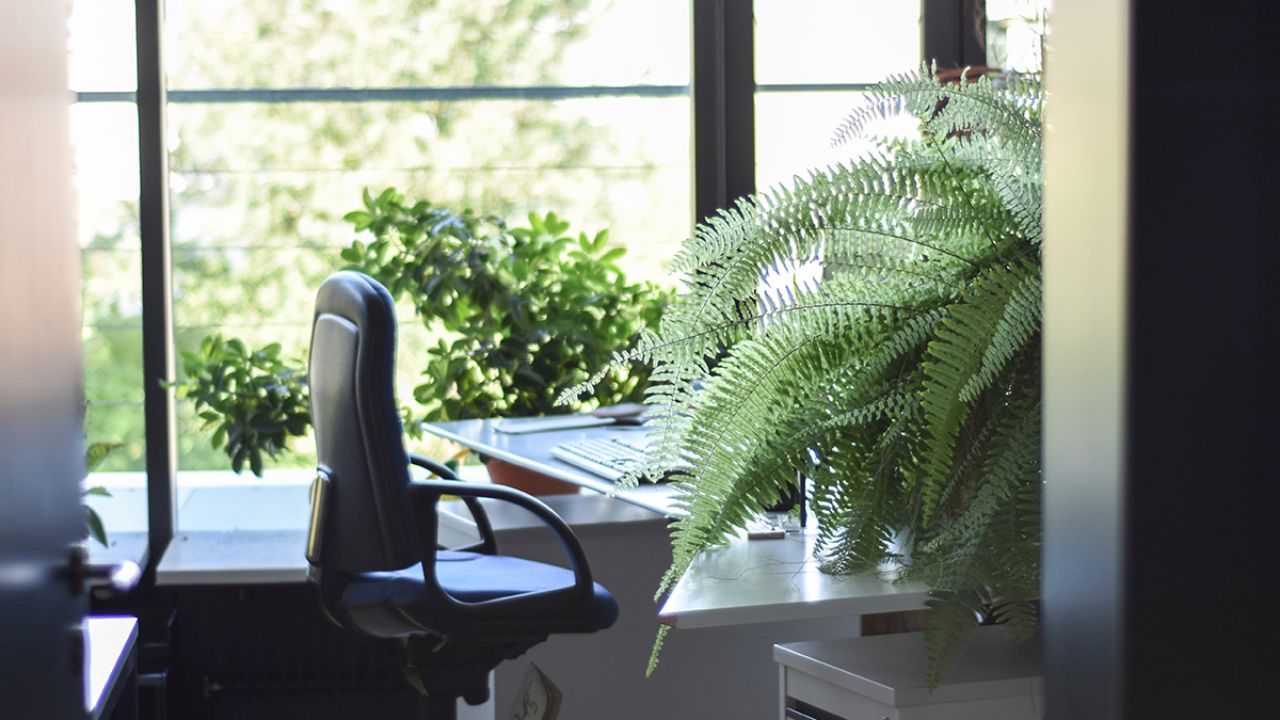
Bring in a plant. Feel the shift. Seriously—biophilic design (that’s just a fancy term for nature-based design) is having a moment. And for good reason.
Offices that include plants, water features, or natural materials like wood and stone make people feel calmer. It’s like your brain remembers you’re human, not a machine.
Some businesses even install green walls or rooftop gardens. But even a few potted plants by the window can ease tension and brighten up the room.
Color Therapy Works
What color are your office walls? If they’re beige or gray, don’t be surprised if your team feels flat.
Colors affect mood. It’s subtle, but powerful.
Blue calms the mind. Green reduces eye strain. Yellow sparks creativity. And while red can energize, too much of it can make people feel tense.
That’s why top designers pick colors based on the room’s purpose. Cool hues in focus zones. Warmer tones in social areas. It’s all about setting the right tone—literally.
Movement, Not Stagnation
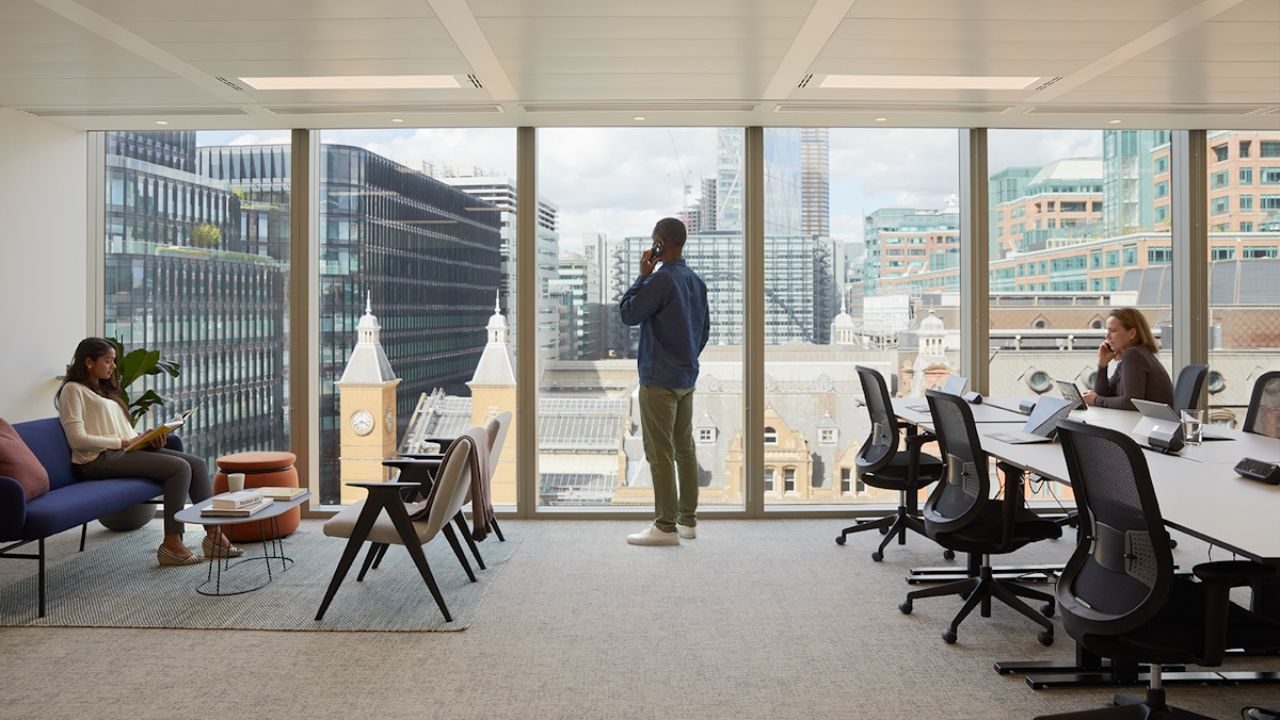
Sitting for extended periods can be hard on both the body and the mind. So modern offices are built to move. Think sit-stand desks, walking paths, even stretch zones.
And it’s not just about fitness. Movement helps shake off stress. It keeps blood flowing. It sparks new ideas. Some companies encourage walking meetings or design staircases to be more inviting than elevators.
When people move, they feel better. And when they feel better, they work better.
More Than a Trend
At first, office design might seem like a style choice. But the truth is, it’s a strategy. A workplace that supports mental health doesn’t just look good. It performs better. People stay longer. They engage more. They burn out less.
Successful companies—from tech giants to small startups—are investing in thoughtful design. Not for the aesthetics. But for the well-being of their people.
And it’s paying off.
A good office design doesn’t just support productivity. It supports people. And in a world where stress is rising and burnout is common, that support matters more than ever.
So here’s your next move: look around your workspace. What’s helping your mental health—and what’s hurting it? Then, take the first step toward a better environment. Your team will thank you for it.