
Workplace safety is more than a compliance checklist. It directly affects a company’s productivity, reputation, and bottom line. Every injury avoided means less downtime, fewer insurance claims, and a team that can focus on the job instead of worrying about preventable hazards.
Businesses that invest in proper safety gear often see higher morale, fewer legal issues, and measurable long-term savings. The right equipment doesn’t just shield workers from risk. It reinforces a culture of care and professionalism across the entire operation.
Investing in the Right Tools Pays Off
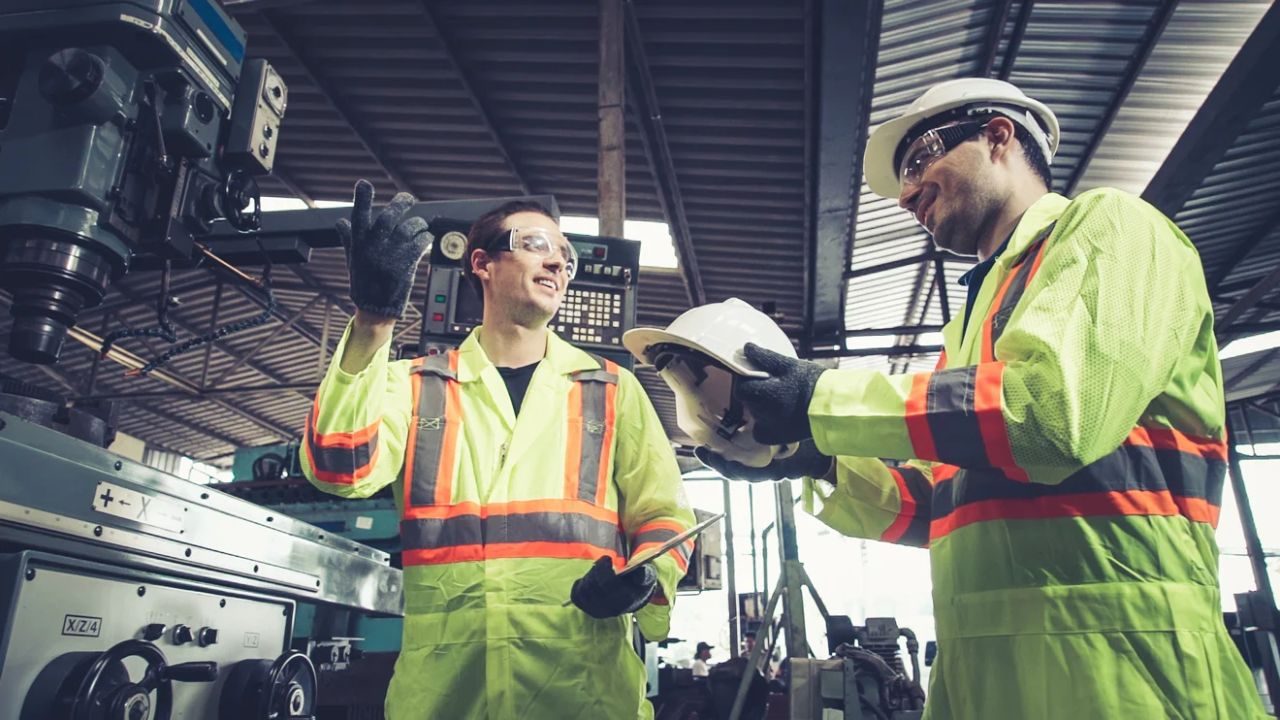
Choosing the right safety gear starts with knowing the demands of the task. Different industries face different hazards, from airborne particulates to high-impact work zones. One overlooked yet essential tool is a solid pair of nitrile gloves. Durable, chemical-resistant, and latex-free, they’re a smart choice for industries ranging from food processing to automotive repair. They’re easy to put on, hold up under pressure, and reduce allergic reactions in the workplace.
Gloves, masks, eye protection, and footwear aren’t just accessories. They are essential safeguards. But to truly reduce costs and protect staff, the gear must match the risk. Poor-quality equipment can give a false sense of security and lead to bigger problems down the road. Long-term savings come from using gear that lasts and protects well.
Decision-makers who evaluate gear through the lens of durability, functionality, and comfort tend to see fewer injuries and complaints. That translates directly into fewer lost hours, fewer compensation claims, and better output across departments.
Safety as a Strategic Advantage
Companies often view safety gear as a cost center, but that’s a narrow view. In competitive markets, operational continuity is a real asset. Fewer injuries mean fewer disruptions. Trained, equipped workers are also more confident, and that confidence shows in their performance.
A well-outfitted team works more efficiently. The time lost to workplace incidents adds up fast, especially in high-risk fields like construction or manufacturing. Even a single eye injury or laceration can result in days of missed work and thousands in medical expenses.
When safety is built into the work culture, employees are more likely to speak up, report hazards, and work together to prevent mishaps. This collaborative mindset starts with something as simple as consistent access to quality protective gear.
Common Equipment, Real Results
Basic safety gear still forms the core of most protection strategies. Hard hats, steel-toe boots, hearing protection, and eye shields have a measurable impact on workplace safety metrics. However, quality varies. Choosing industrial-grade equipment instead of consumer-grade alternatives can make a meaningful difference.
Visibility gear for night shifts or low-light sites, for example, can reduce vehicular accidents and increase overall awareness on the floor. Anti-fog lenses in safety glasses reduce frustration and improve compliance. Slip-resistant soles on safety shoes can cut fall-related injuries, which are among the most common on record.
Investing in upgrades to these everyday items often costs less than handling just one serious injury. And workers who feel well protected are more likely to use their gear consistently.
Reducing Liability and Insurance Costs
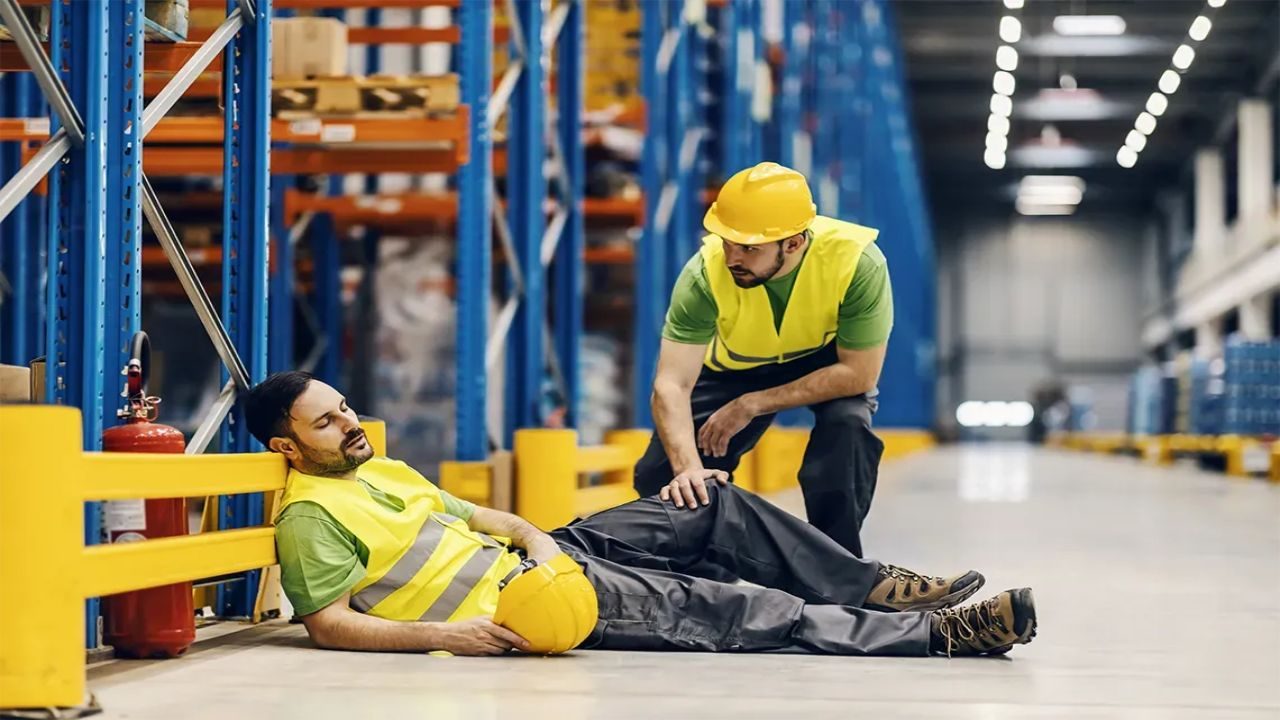
Workplace injuries don’t just hurt the individual. They also cost businesses in the form of insurance premiums, legal exposure, and potential fines. Occupational Safety and Health Administration (OSHA) violations can be steep, and even minor oversights in protective gear protocols can lead to citations.
Insurers often reward businesses with robust safety protocols. Fewer claims can lead to lower premiums. Businesses that provide full protective gear and actively monitor safety compliance can often negotiate more favorable terms with their insurers. Documentation and accountability matter, and safety equipment plays a central role in both.
In sectors like logistics, warehousing, and industrial manufacturing, the ROI of proper safety gear shows up year over year in claim reports and operational budgets.
Training and Gear Go Hand in Hand
Even the best gear fails if workers don’t know how to use it. Businesses that take safety seriously invest not only in equipment but in the knowledge to use it properly. That includes donning and doffing techniques, maintenance routines, and knowing when to replace worn-out gear.
Training also encourages buy-in. Workers are more likely to wear protective gear consistently if they’ve been taught why it matters. This turns passive compliance into active participation. Supervisors should lead by example and reinforce protocols with calm, consistent guidance.
Routine refresher sessions, short video walkthroughs, and visual reminders posted on-site all help maintain standards without creating friction. The smoother the process, the more likely workers will comply without resistance.
Upgrading with Innovation in Mind
Safety gear is evolving. From smart helmets that detect fatigue to gloves with cut-detection fibers, modern PPE isn’t stuck in the past. Forward-thinking businesses are exploring new gear that not only protects better but integrates with their operations.
In warehouses, motion-sensing vests help prevent vehicle-related accidents. In construction, impact-monitoring wearables give early warnings about dangerous vibration levels. Some industries are even trialing augmented reality goggles that display site maps and instructions while keeping hands free.
While not every business needs the latest tech, staying aware of new options helps ensure the best solutions aren’t overlooked. Even small upgrades, like sweat-wicking fabric or better-fit designs, can improve comfort and increase day-to-day usage.
Safety gear does more than protect workers. It shapes company culture, controls expenses, and improves overall performance. From something as basic as nitrile gloves to high-tech wearable monitors, every piece of protective equipment plays a part in reducing risk and building a more efficient business.
Treating safety as a central pillar of operations isn’t just smart. It’s strategic. And the businesses that prioritize protection are the ones that thrive, not just survive.